

您好,欢迎访问无锡康维诺生物科技有限公司官网!
+86 18068352085

联系我们

无锡康维诺
邮箱:1034561569@qq.com
电话:+86 18068352085
地址:无锡市梁溪区通江大道503号-3025 在线咨询

行业新闻

视黄醇棕榈酸酯的英文

发布日期:0 浏览次数:

⚠️请注意:此文章内容全部是AI生成!

Retinyl Palmitate: The Complete Guide to This Common Vitamin A Derivative

If you’re looking up Retinyl Palmitate, you’re likely curious about this ingredient you’ve spotted on your skincare or nutrition label. What is it, how does it work, and is it right for you? This comprehensive guide breaks down everything you need to know.

What is Retinyl Palmitate?

Retinyl Palmitate is a specific form of Vitamin A. Chemically, it is an ester formed by combining retinol (pure Vitamin A) with palmitic acid, a fatty acid. This structure makes it more stable and less irritating than retinol, but also less potent.

It’s a synthetic version of a compound found naturally in your skin and is widely used in three main industries:

  • Skincare & Cosmetics: As an antioxidant and antiaging agent.
  • Dietary Supplements: As a source of Vitamin A.
  • Food Fortification: Added to products like lowfat milk to replace the Vitamin A lost when removing fat.
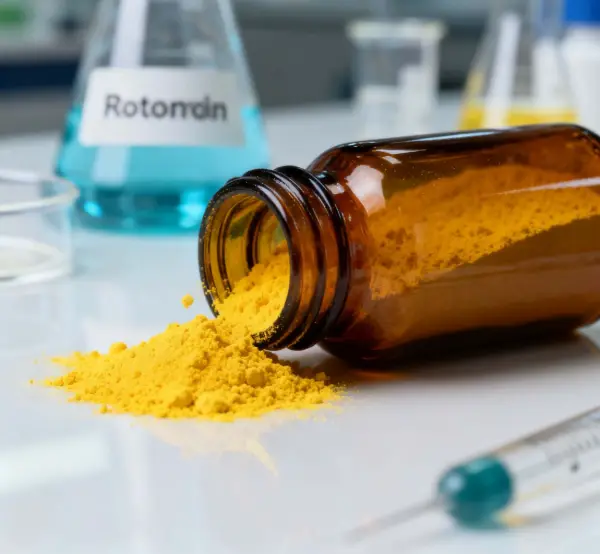
视黄醇棕榈酸酯的英文(图1)

What Are Its Primary Functions and Benefits?

In Skincare:

  1. Antioxidant Protection: It helps neutralize free radicals generated by UV exposure and pollution, which can cause premature skin aging (like wrinkles and fine lines).
  2. AntiAging: While milder than retinol, it is converted by enzymes in the skin into retinoic acid (the active form that works on cells). This process can, over time, encourage skin cell renewal and improve the appearance of skin texture and fine lines.
  3. Moisturizing: Its oily nature can help improve the feel and moisturization of skincare products.

In Nutrition:

  1. Vitamin A Supplementation: It is a common and stable source of Vitamin A in multivitamins and supplements.
  2. Essential Health Support: Once ingested, the body converts it into retinol, which is crucial for vision, immune function, and cellular communication.

Retinyl Palmitate vs. Other Vitamin A Derivatives
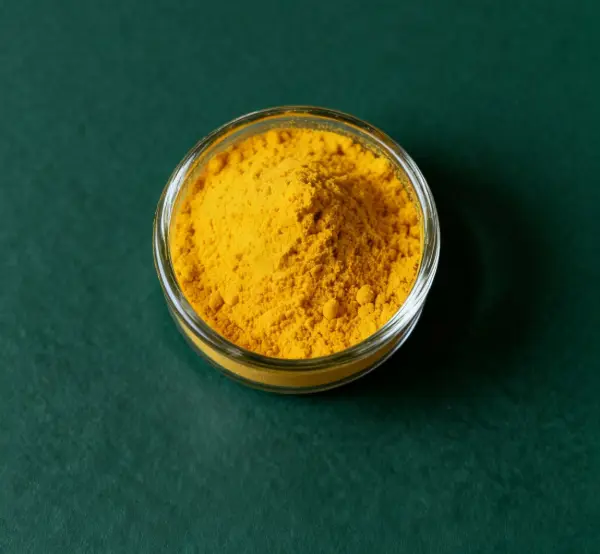
视黄醇棕榈酸酯的英文(图2)

Where does it stand in the famous Vitamin A family? Think of it as the gentlest entry point.

  • Retinyl Palmitate: Mildest and Least Potent. Best for sensitive skin or beginners who are new to Vitamin A in skincare. Requires multiple conversion steps in the skin to become active.
  • Retinol: The Gold Standard. More potent and effective than retinyl palmitate for antiaging, but also more likely to cause irritation. Requires one conversion step in the skin.
  • Retinal / Retinaldehyde: Highly Effective. More potent than retinol, working faster with less irritation than prescription options. It converts to retinoic acid in one step.
  • Retinoic Acid (Tretinoin): Most Potent (PrescriptionStrength). The active form that skin cells directly use. Delivers the fastest and most dramatic results but requires a prescription and has a high risk of side effects like redness and peeling.

The Takeaway: If you have sensitive skin or are just starting out, retinyl palmitate is a good first step. If you’re seeking more significant results and your skin can tolerate it, moving up to retinol or retinal is recommended.

Safety and Controversies: What You Need to Know

You may have heard concerns about its safety, primarily stemming from a single, controversial study.

  • The FDA Study (2012): A government study found that when applied topically to mice in very high doses and under constant UV exposure, retinyl palmitate could potentially accelerate the formation of skin tumors.
  • Why the Context Matters:
    • Animal vs. Human Skin: Mouse skin is significantly thinner and more permeable than human skin.
    • Dosage and Conditions: The experimental conditions do not reflect realworld use of cosmetics by humans.
    • Lack of Human Evidence: Major regulatory bodies worldwide, including the EU’s SCCS, have reviewed the data and concluded that retinyl palmitate is safe for use in cosmetics at concentrations up to 15%. The American Cancer Society also states there is no strong evidence that it causes cancer in humans.
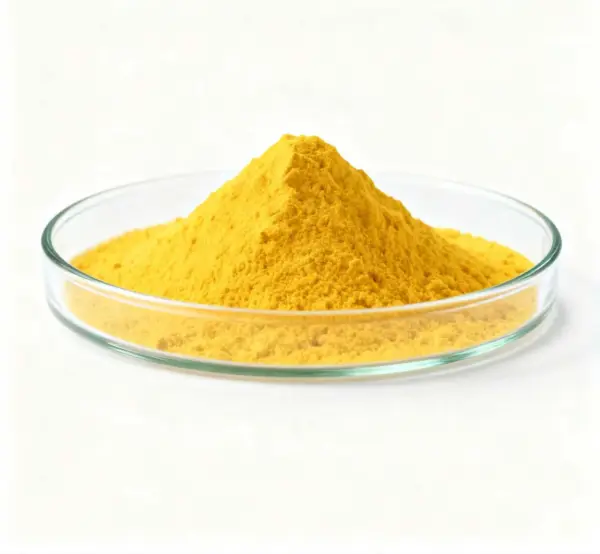
视黄醇棕榈酸酯的英文(图3)

Conclusion on Safety: For the vast majority of people, using retinyl palmitate in normal cosmetic concentrations is considered safe. However, if you have specific concerns, consulting a dermatologist is always the best course of action.

Who Should Use It and How?
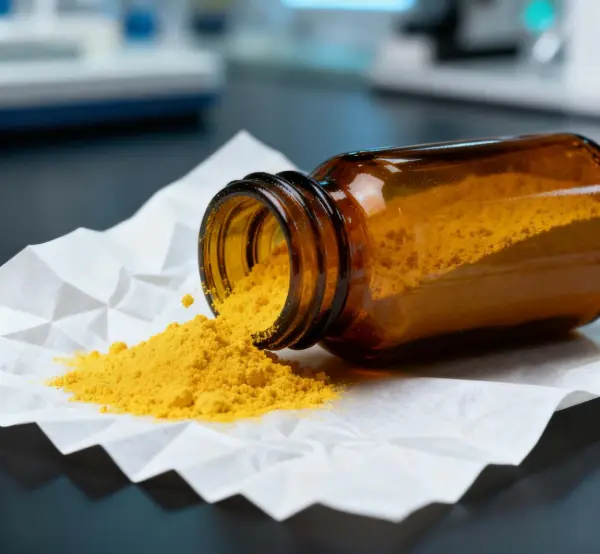
视黄醇棕榈酸酯的英文(图4)

It’s Ideal For:

  • Skincare beginners wanting to introduce a gentle Vitamin A.
  • Individuals with sensitive or dry skin who cannot tolerate retinol.

⚠️请注意:此文章内容全部是AI生成!

行业新闻

行业新闻

视黄醇棕榈酸酯的英文

⚠️请注意:此文章内容全部是AI生成!

Retinyl Palmitate: The Complete Guide to This Common Vitamin A Derivative

If you’re looking up Retinyl Palmitate, you’re likely curious about this ingredient you’ve spotted on your skincare or nutrition label. What is it, how does it work, and is it right for you? This comprehensive guide breaks down everything you need to know.

What is Retinyl Palmitate?

Retinyl Palmitate is a specific form of Vitamin A. Chemically, it is an ester formed by combining retinol (pure Vitamin A) with palmitic acid, a fatty acid. This structure makes it more stable and less irritating than retinol, but also less potent.

It’s a synthetic version of a compound found naturally in your skin and is widely used in three main industries:

  • Skincare & Cosmetics: As an antioxidant and antiaging agent.
  • Dietary Supplements: As a source of Vitamin A.
  • Food Fortification: Added to products like lowfat milk to replace the Vitamin A lost when removing fat.
视黄醇棕榈酸酯的英文(图1)

What Are Its Primary Functions and Benefits?

In Skincare:

  1. Antioxidant Protection: It helps neutralize free radicals generated by UV exposure and pollution, which can cause premature skin aging (like wrinkles and fine lines).
  2. AntiAging: While milder than retinol, it is converted by enzymes in the skin into retinoic acid (the active form that works on cells). This process can, over time, encourage skin cell renewal and improve the appearance of skin texture and fine lines.
  3. Moisturizing: Its oily nature can help improve the feel and moisturization of skincare products.

In Nutrition:

  1. Vitamin A Supplementation: It is a common and stable source of Vitamin A in multivitamins and supplements.
  2. Essential Health Support: Once ingested, the body converts it into retinol, which is crucial for vision, immune function, and cellular communication.

Retinyl Palmitate vs. Other Vitamin A Derivatives

视黄醇棕榈酸酯的英文(图2)

Where does it stand in the famous Vitamin A family? Think of it as the gentlest entry point.

  • Retinyl Palmitate: Mildest and Least Potent. Best for sensitive skin or beginners who are new to Vitamin A in skincare. Requires multiple conversion steps in the skin to become active.
  • Retinol: The Gold Standard. More potent and effective than retinyl palmitate for antiaging, but also more likely to cause irritation. Requires one conversion step in the skin.
  • Retinal / Retinaldehyde: Highly Effective. More potent than retinol, working faster with less irritation than prescription options. It converts to retinoic acid in one step.
  • Retinoic Acid (Tretinoin): Most Potent (PrescriptionStrength). The active form that skin cells directly use. Delivers the fastest and most dramatic results but requires a prescription and has a high risk of side effects like redness and peeling.

The Takeaway: If you have sensitive skin or are just starting out, retinyl palmitate is a good first step. If you’re seeking more significant results and your skin can tolerate it, moving up to retinol or retinal is recommended.

Safety and Controversies: What You Need to Know

You may have heard concerns about its safety, primarily stemming from a single, controversial study.

  • The FDA Study (2012): A government study found that when applied topically to mice in very high doses and under constant UV exposure, retinyl palmitate could potentially accelerate the formation of skin tumors.
  • Why the Context Matters:
    • Animal vs. Human Skin: Mouse skin is significantly thinner and more permeable than human skin.
    • Dosage and Conditions: The experimental conditions do not reflect realworld use of cosmetics by humans.
    • Lack of Human Evidence: Major regulatory bodies worldwide, including the EU’s SCCS, have reviewed the data and concluded that retinyl palmitate is safe for use in cosmetics at concentrations up to 15%. The American Cancer Society also states there is no strong evidence that it causes cancer in humans.
视黄醇棕榈酸酯的英文(图3)

Conclusion on Safety: For the vast majority of people, using retinyl palmitate in normal cosmetic concentrations is considered safe. However, if you have specific concerns, consulting a dermatologist is always the best course of action.

Who Should Use It and How?

视黄醇棕榈酸酯的英文(图4)

It’s Ideal For:

  • Skincare beginners wanting to introduce a gentle Vitamin A.
  • Individuals with sensitive or dry skin who cannot tolerate retinol.

⚠️请注意:此文章内容全部是AI生成!

+86 18068352085
X无锡康维诺

截屏,微信识别二维码

微信号:caicang8

(点击微信号复制,添加好友)

微信号已复制,请打开微信添加咨询详情!